| |
| Home |
| Research |
| Publications |
| People |
| Teaching |
| Yato Protected Area |
| Conservation |
| Outreach |
| Adventures |
| Opportunities for students |
| Contact |

YATO PROTECTED AREA |
Throughout our planet’s history, mass extinction events, wherein over half of earth’s diversity is lost in a short period of time, are uncommon, perhaps even rare. It has happened only five times in the past 500 million years, the last of which resulted in the extinction of dinosaurs. Today, our planet is experiencing its 6th mass extinction event, and, for the first time, a single species, humans, is responsible for these catastrophic losses. So, what can we do to stop these losses? One of the most effective ways to slow this mass extinction event is by setting aside habitats that sustain our planet’s biological diversity. However, these programs can often fail, as they require long-term and sustained stewardship of already fragile ecosystems. To develop more sustainable strategies, we use a capacity-building approach by partnering directly with indigenous communities who can more effectively steward their land. Such an approach is often slow, but is ultimately a better long-term strategy, as it provides local stakeholders with the means to establish then maintain their own conservation areas. After nearly a decade of work, and with support from Conservation International’s Critical Ecosystem Partnership Fund, private donors like the Constable Foundation and the University of Rochester, we are proud to announce that the Yato Protected Area was officially declared by the Solomon Islands government as a federally protected conservation area this November (2025). The designation of a federally protected area prevents the encroachment of any commercial logging or mining within the preserve. The Yato Protected Area is located on Makira Island, a remote island in the Solomon Islands. It covers nearly 25,000 acres of pristine rainforest and cloud forest, making it the largest protected forest in the entire country. It will protect scores of endemic plants and animals, including at least a dozen bird species found only on Makira. Importantly, the people of Yato, three communities numbering a little over a thousand, have now partnered with two organizations, Nakau and Live & Learn, in a carbon trade program that will provide the funding to maintain the protected area in perpetuity.
|
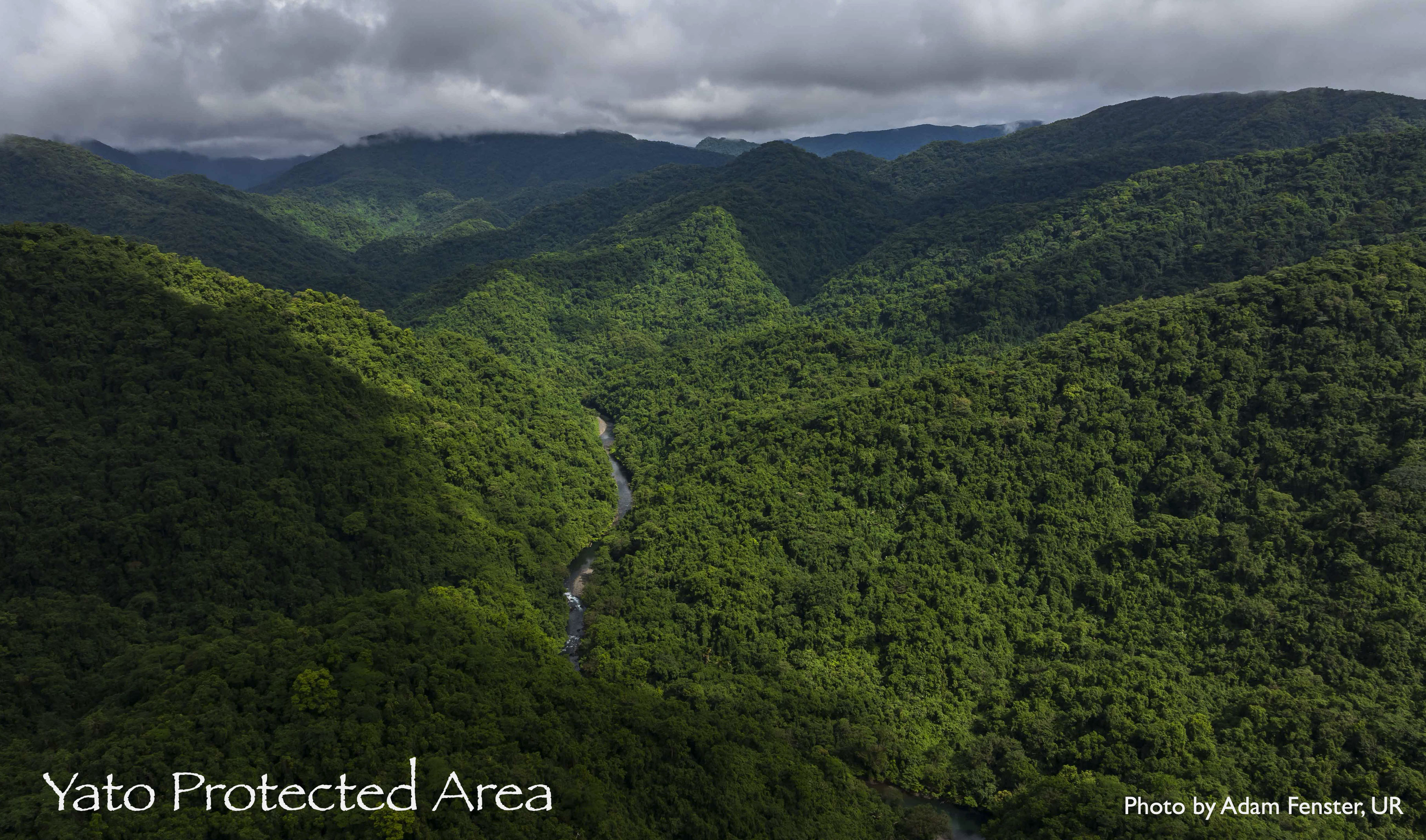
The Yato Protected Area (drone photo by Adam Fenster, University of Rochester).
|
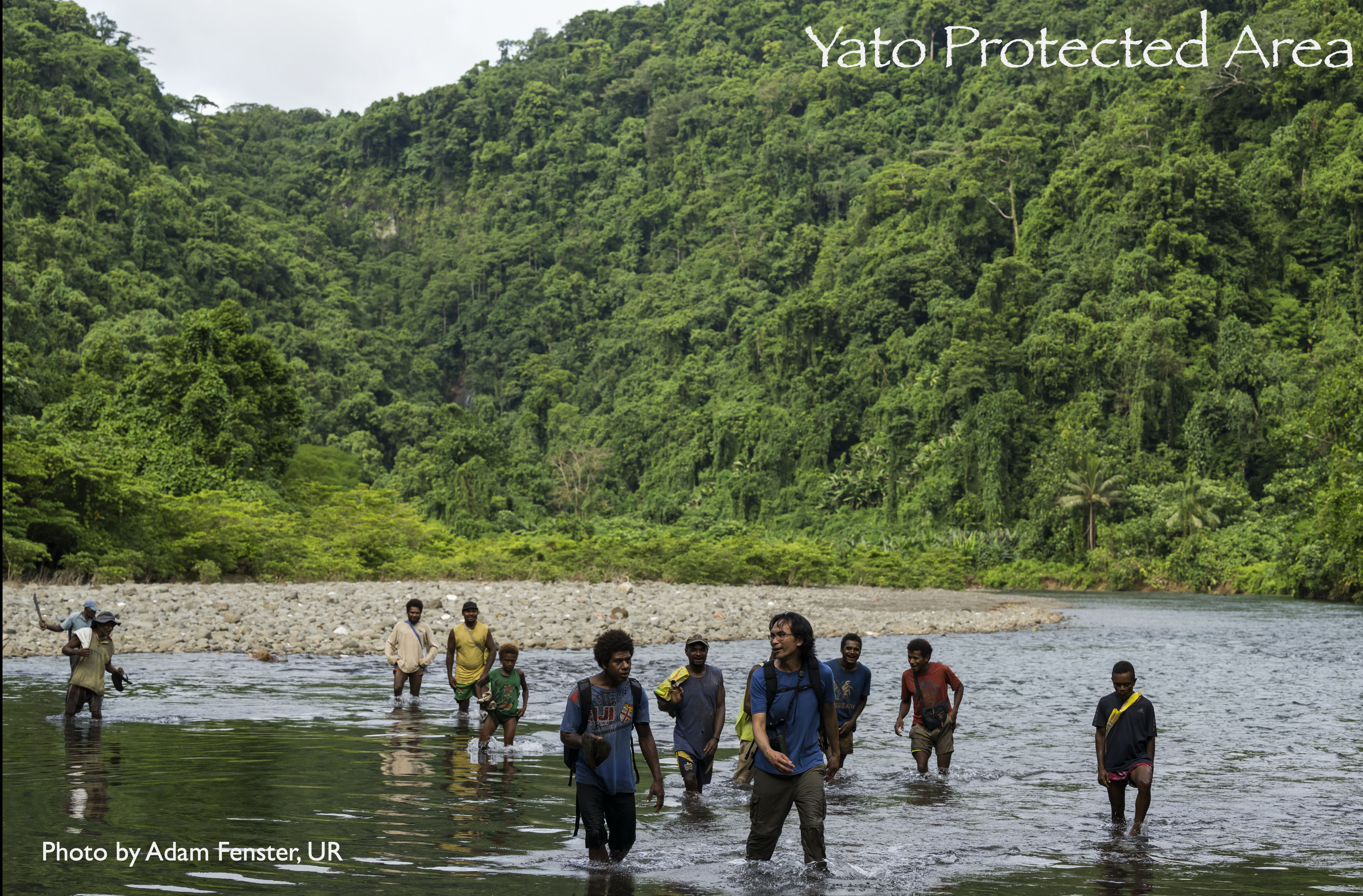 |
| Al, Pepere and members of the Yato communities enter the Yato PA through Hariga River (photo by Adam Fenster). |
|
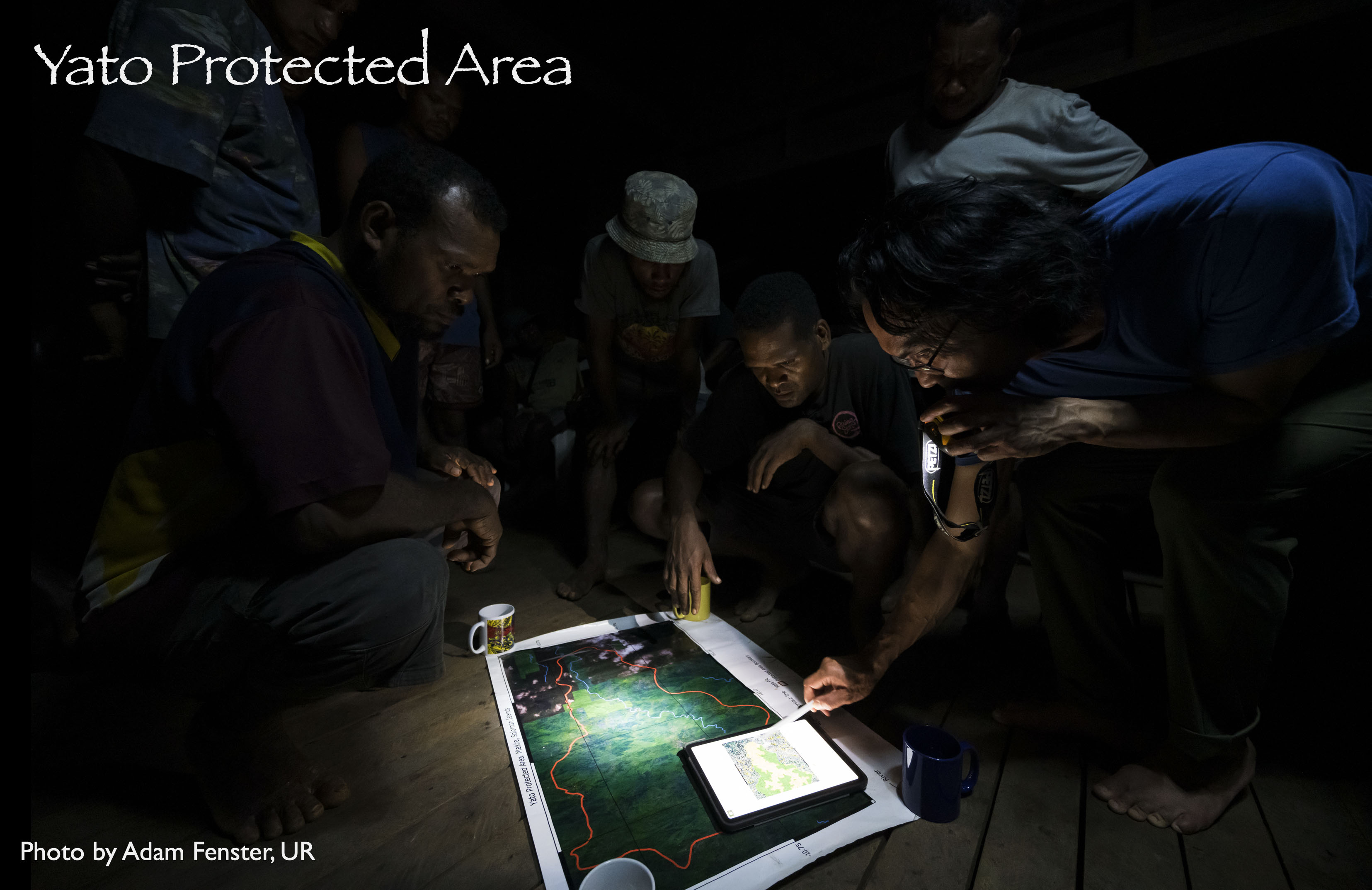
| Al and members of the Yato Management Committee discuss the boundaries of the proposed Yato Protected Area (photo by Adam Fenster). |
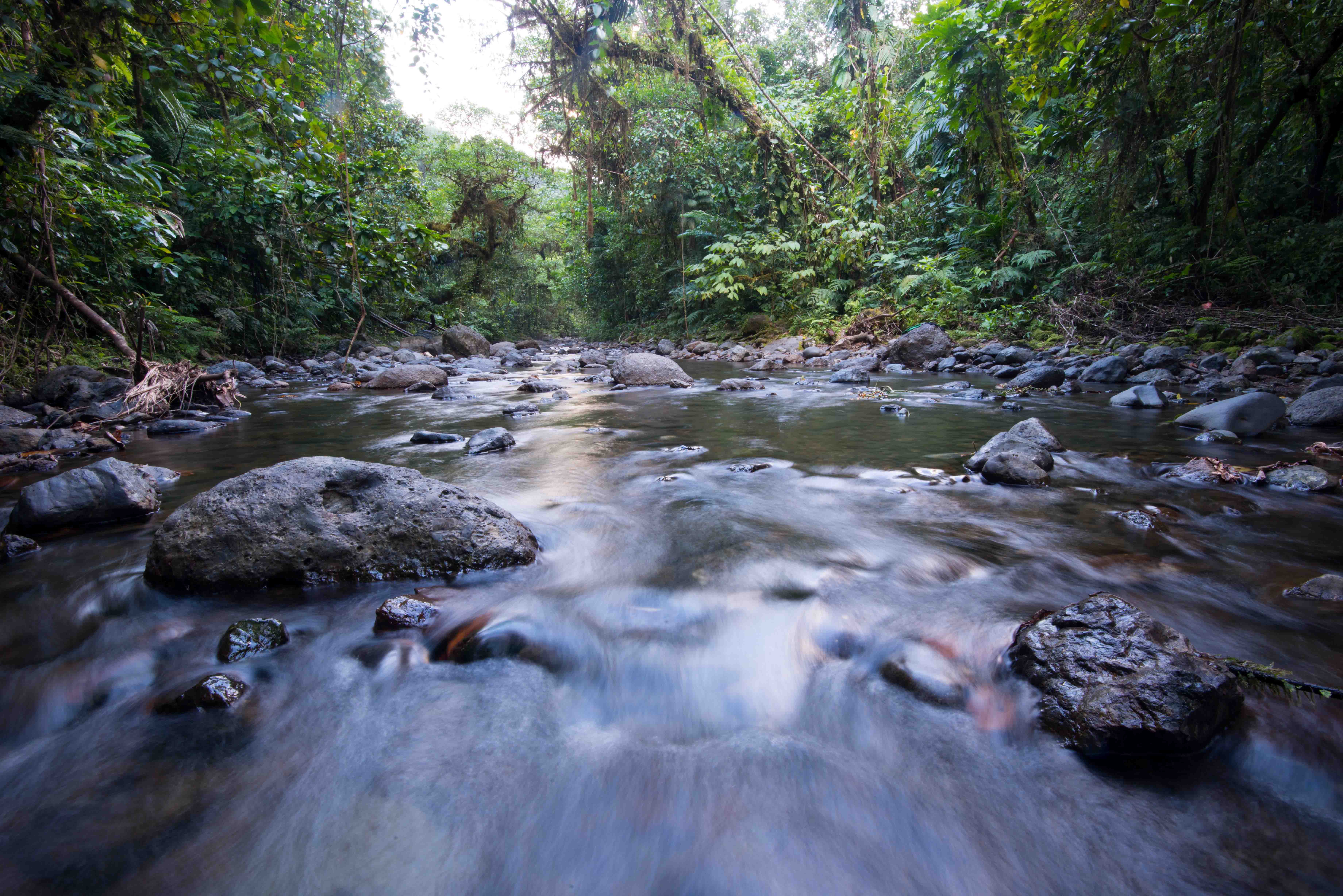
A pristine river within the Yato Protected Area (photo by John Mittermeier) |
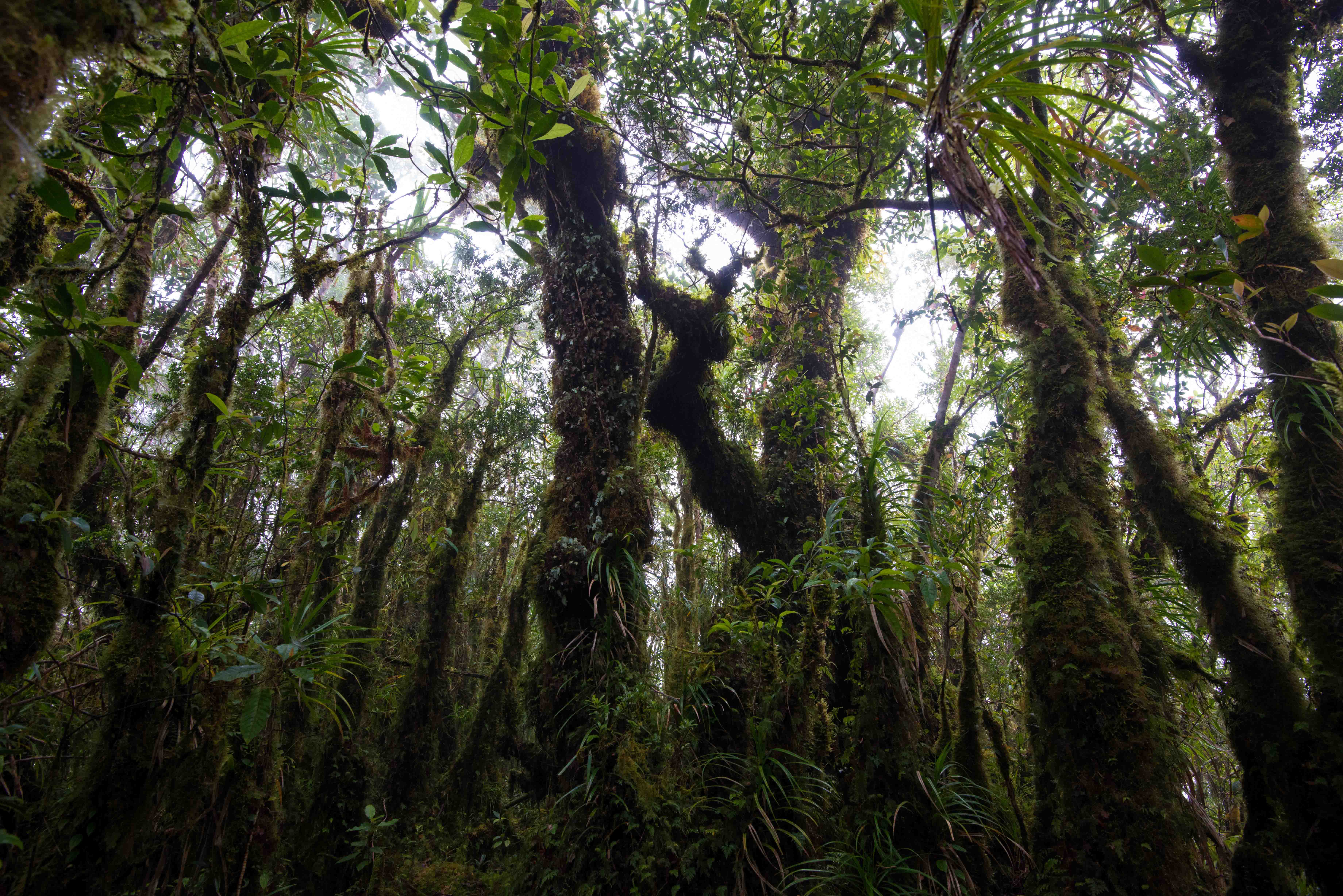
High montane, cloud forest within the Yato Protected Area (photo by John Mittermeier). |
By partnering with indigenous communities and providing the means to sustain conservation programs, our goal is to safeguard fragile ecosystems like those of the Solomon Islands. By doing so, not only are these partnerships conserving unique plants and animals found nowhere else on the planet, but they are also directly slowing global climate change by sequestering carbon in these ancient forests.
|